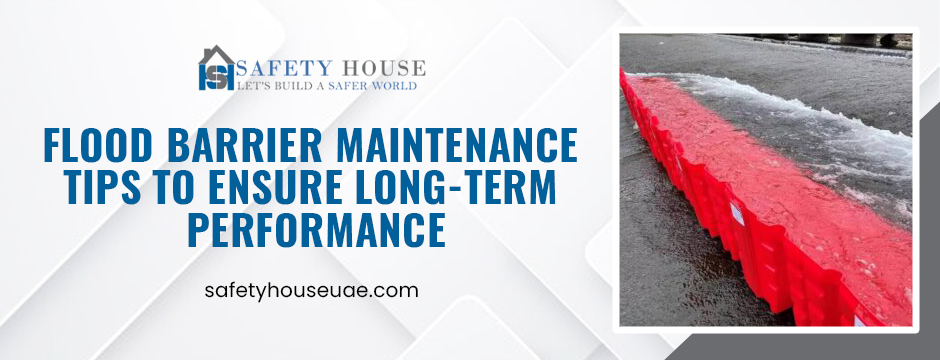
Flood barriers play a critical role in protecting homes, commercial properties, and industrial facilities from water damage. Whether installed permanently or used as a temporary defence during emergencies, flood barriers are designed to withstand intense pressure from rising water levels and reduce the risk of costly structural damage. However, simply installing a flood barrier is not enough. Like any protective system, its effectiveness depends heavily on proper and consistent maintenance.
Over time, environmental factors such as dust, debris, UV exposure, moisture, and regular wear can reduce the performance of flood barriers. Seals may degrade, moving parts can become stiff, and minor damage can go unnoticed until the next flood event—when it is often too late to fix. Regular maintenance ensures that flood barriers remain fully functional, deploy quickly, and provide reliable protection when needed most. In this blog, we will explore practical and easy-to-follow flood barrier maintenance tips to help you extend their lifespan and maintain optimal performance.
Why Flood Barrier Maintenance Matters?
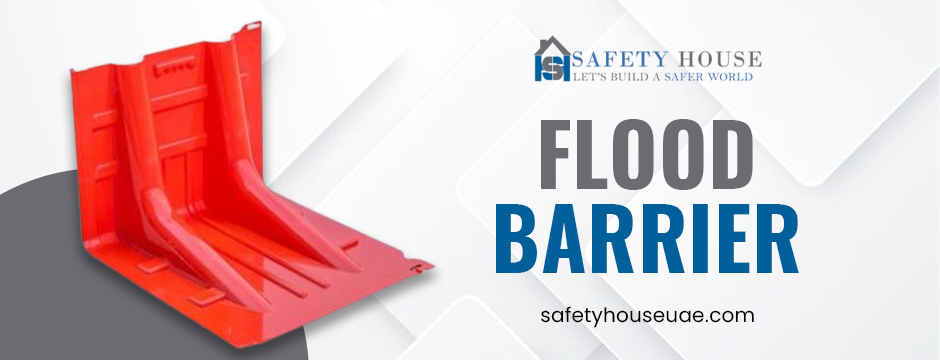
Flood barriers are safety-critical systems. When floods occur, there is little time to react, and barriers must work flawlessly. Poorly maintained barriers can fail due to weakened seals, corrosion, or mechanical faults, allowing water to seep through. Regular maintenance reduces the risk of failure, protects your investment, and provides peace of mind during extreme weather events.
Conduct Regular Visual Inspections
One of the simplest yet most effective maintenance steps is routine visual inspection.
What to Check:
- Cracks, dents, or warping in barrier panels
- Signs of corrosion or rust on metal components
- Loose bolts, screws, or mounting fixtures
- Damage to rubber seals or gaskets
Inspections should be carried out at least every three to six months, and always after a flood event. Identifying minor issues early helps prevent larger, more expensive repairs later.
Keep Flood Barriers Clean and Debris-Free
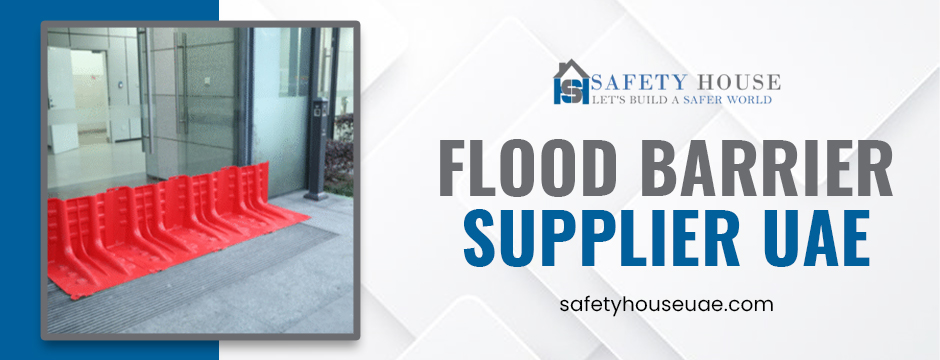
Dirt, mud, sand, and debris can compromise the performance of the Flood Barrier supplier UAE, especially around sealing edges and moving parts.
Cleaning Tips:
- Wash barriers with clean water after every use
- Use mild soap for stubborn dirt—avoid harsh chemicals
- Clean sealing channels thoroughly to prevent blockages
- Dry components completely before storage
Clean barriers ensure proper alignment and watertight sealing during deployment.
Inspect and Maintain Seals and Gaskets
Seals are one of the most important components of any flood barrier system. Even small cracks or stiffness can allow water penetration.
Seal Maintenance Best Practices:
- Check seals for brittleness, cracks, or flattening
- Apply manufacturer-approved lubricant if recommended
- Replace damaged or worn seals immediately
- Keep seals free from dirt, oil, and debris
Properly maintained seals significantly improve water resistance and overall performance.
Test Deployment and Installation Regularly
Flood barriers should never be deployed for the first time during an emergency. Regular testing ensures that all components fit correctly and function smoothly.
Testing Recommendations:
- Practice installation at least once or twice a year
- Ensure panels slide, lock, or stack as designed
- Verify that staff or household members know the process
- Identify and correct alignment or fitting issues
Routine testing builds confidence and reduces response time during real flood situations.
Protect Against Corrosion and Environmental Damage
Flood barriers, especially metal ones, are exposed to moisture and environmental elements that can lead to corrosion over time.
Corrosion Prevention Tips:
- Dry barriers thoroughly after exposure to water
- Apply protective coatings if recommended by the manufacturer
- Store barriers in a dry, ventilated area
- Avoid prolonged exposure to direct sunlight for non-UV-rated materials
Preventing corrosion extends the lifespan of your flood defence system and maintains structural integrity.
Ensure Proper Storage When Not in Use
Improper storage is a common cause of flood barrier damage.
Storage Best Practices:
- Store barriers in a clean, dry environment
- Keep them off the ground to avoid moisture contact
- Stack panels carefully to prevent bending or cracking
- Clearly label components for quick identification
Well-organised storage helps preserve materials and ensures rapid deployment during emergencies.
Check Anchoring Systems and Fixings
Anchors, brackets, and fixings play a vital role in keeping flood barriers securely in place against water pressure.
What to Inspect:
- Tightness of bolts and fasteners
- Signs of wear or corrosion in anchor points
- Stability of permanent mounting fixtures
- Alignment of barrier slots or rails
Loose or damaged fixings can cause barriers to fail under pressure, so timely repairs are essential.
Follow Manufacturer Maintenance Guidelines
Every flood barrier system is designed differently. Always follow the maintenance instructions provided by the manufacturer.
Why This Matters:
- Ensures compatibility with materials and components
- Prevents accidental damage due to incorrect cleaning agents
- Maintains warranty coverage
- Optimises long-term performance
If guidelines are unavailable, consult professionals for maintenance advice tailored to your specific system.
Schedule Professional Inspections Periodically
While routine maintenance can be handled internally, professional inspections provide an added layer of safety.
Benefits of Professional Servicing:
- Expert assessment of structural integrity
- Early detection of hidden issues
- Seal replacement and mechanical adjustments
- Compliance with safety and regulatory standards
Annual professional checks are highly recommended for commercial and industrial installations.
Keep a Maintenance Log
Documenting inspections and maintenance activities helps ensure nothing is overlooked.
Maintenance Log Should Include:
- Inspection dates
- Observed issues
- Repairs or replacements made
- Names of personnel or service providers
A maintenance log is especially useful for businesses and facilities that require compliance documentation.
Wrapping Up
Flood barriers are a long-term investment in safety, but their effectiveness depends on proper care and regular maintenance. By conducting routine inspections, keeping components clean, maintaining seals, and testing deployment, you can significantly extend the lifespan and reliability of your flood defence system. Preventive maintenance not only saves money on repairs but also ensures that your property remains protected when flooding risks arise.
For high-quality, durable, and professionally designed flood protection solutions, explore the trusted options available at Safety House General Trading LLC. Choosing the right flood barrier system, combined with consistent maintenance, ensures dependable performance and peace of mind for years to come.