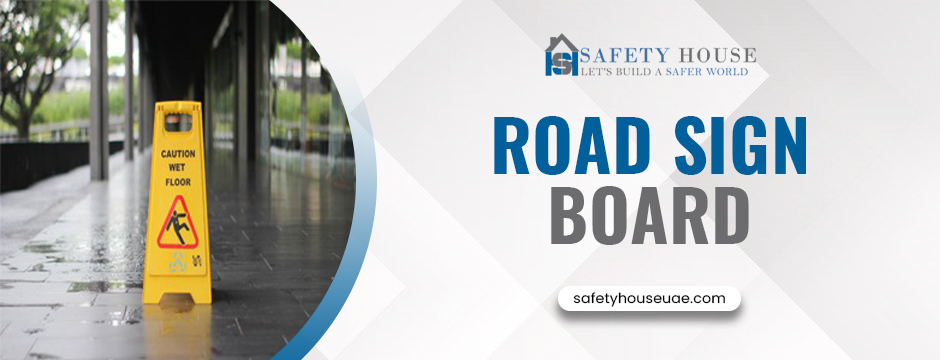
Construction zones are dynamic, high-risk environments where workers, drivers, pedestrians, and heavy machinery intersect daily. Whether it’s a highway expansion, urban infrastructure upgrade, or a residential building project, the presence of proper road signage is not just a regulatory requirement — it is a critical safety measure. In fast-developing regions like the United Arab Emirates, where infrastructure projects move at a remarkable speed, clear Road Sign Board in construction zones play a vital role in preventing accidents and maintaining smooth traffic flow.
Temporary disruptions such as lane closures, diversions, speed reductions, and heavy vehicle movement can easily confuse drivers if not communicated properly. A well-designed and strategically placed sign board eliminates uncertainty, provides direction, and ensures compliance with safety protocols. Without clear signage, even experienced drivers may react unpredictably, leading to collisions, traffic congestion, or injury to on-site workers. This blog explores why every construction zone — regardless of size — requires clear, visible, and compliant road sign boards.
Preventing Accidents and Saving Lives
The primary purpose of any road sign board in a construction zone is to protect lives. Construction areas introduce unexpected changes to normal traffic conditions, including:
- Narrowed lanes
- Uneven road surfaces
- Detours and diversions
- Temporary traffic signals
- Reduced speed limits
Without warning signs, drivers have limited reaction time. Clear and reflective signage gives motorists the advance notice they need to slow down and adjust safely.
For workers inside the construction site, signage acts as a protective barrier. Signs such as “Men at Work,” “Heavy Equipment Crossing,” or “Road Closed Ahead” reduce the risk of vehicles entering restricted areas.
In high-traffic cities like Dubai and Abu Dhabi, where vehicle density is high, even a minor lack of direction can lead to major traffic incidents. Clear signboards dramatically lower these risks.
Ensuring Legal and Regulatory Compliance
Construction projects must comply with municipal and traffic authority regulations. Authorities in the UAE and other regions mandate specific standards for temporary road signage, including:
- Font size and visibility
- Reflective materials
- Placement distance
- Standardized symbols
Failure to install proper signage can result in:
- Hefty fines
- Project delays
- Liability claims
- Contract termination
Proper road signboards ensure that construction companies remain compliant with safety laws and traffic regulations. It also protects contractors from legal disputes in case of accidents, as they can demonstrate that adequate warnings were provided.
Managing Traffic Flow Efficiently
Construction zones often disrupt normal traffic patterns. Without clear road signs and safety, drivers may hesitate, change lanes abruptly, or slow down unexpectedly — causing congestion and rear-end collisions.
Clear road signboards:
- Indicate upcoming lane closures
- Guide vehicles through diversions
- Inform about alternate routes
- Prevent last-minute braking
Well-placed signage ensures smooth traffic movement even in busy areas. This is especially important for infrastructure projects near commercial districts, highways, or residential communities.
When drivers understand what to expect ahead, traffic remains organised and predictable.
Enhancing Worker Safety
Construction workers are exposed to constant risk, particularly when working close to moving vehicles. Clear signage creates a buffer zone between workers and traffic.
Important safety signs include:
- Speed reduction signs
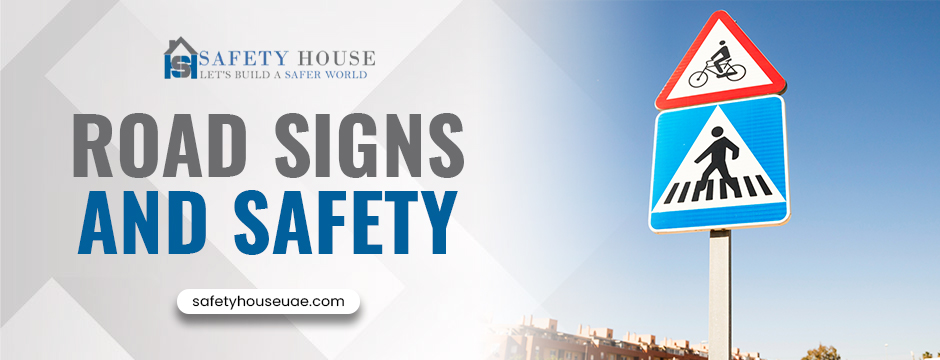
- Warning signs for pedestrian crossings
- Equipment movement alerts
- Entry/exit warnings for construction vehicles
When drivers are informed in advance, they naturally exercise caution.
Worker safety is not just ethical — it also impacts project timelines. Fewer accidents mean fewer disruptions and better project continuity.
Improving Public Trust and Professional Image
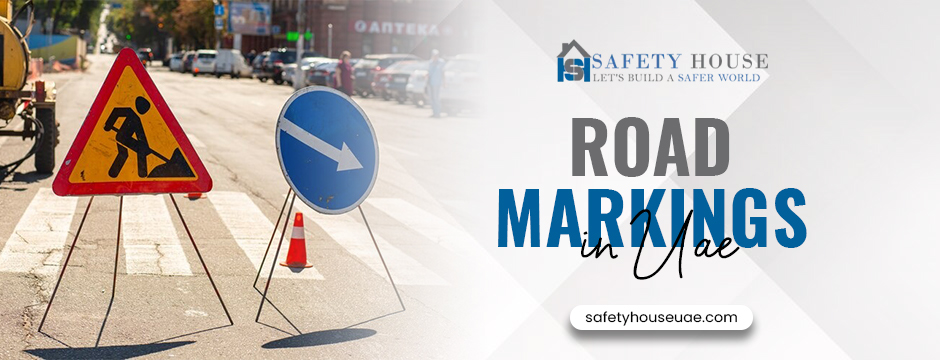
A construction site with clear, professional road markings in UAE conveys responsibility and competence. It shows that the company values public safety and follows industry standards.
Poorly marked construction zones, on the other hand, create frustration and distrust among the public. Drivers may associate unsafe practices with the company’s brand reputation.
Clear signage demonstrates:
- Professional project management
- Attention to detail
- Commitment to community safety
In competitive construction markets, maintaining a positive public image can influence future contracts and partnerships.
Reducing Financial Risks and Insurance Costs
Accidents in construction zones can lead to:
- Vehicle damage claims
- Worker compensation claims
- Legal settlements
- Increased insurance premiums
Proper signage minimises these risks. Insurance providers often evaluate safety protocols when determining coverage and premiums. Projects with comprehensive signage systems are seen as lower risk.
Investing in high-quality road signboards may seem like an additional expense, but it prevents far greater financial losses in the long run.
Clear Communication in Multilingual Environments
In diverse regions like the UAE, the population includes residents and workers from multiple countries. Road signboards must communicate effectively across language barriers. Standardised symbols, reflective graphics, and internationally recognised warning icons ensure universal understanding — even if drivers do not read the local language fluently.
Visual clarity is especially important at night or in poor weather conditions. High-visibility materials and proper lighting enhance comprehension and reaction time.
Supporting Emergency Access
Construction zones should never obstruct emergency vehicles such as ambulances, fire trucks, or police vehicles.
Proper signage ensures:
- Clear detour paths
- Marked emergency lanes
- Controlled entry and exit points
When emergency routes are clearly indicated, response times improve, potentially saving lives.
Adapting to Temporary Changes
Unlike permanent road signs, construction zone signage is temporary but constantly evolving. As work progresses, traffic patterns change. This requires:
- Flexible signage solutions
- Portable signboards
- Quick installation and removal
Reliable road sign systems allow contractors to adapt quickly without compromising safety.
Night-Time and Low-Visibility Safety
Construction often continues after sunset to avoid daytime traffic disruption. In such cases, reflective and illuminated road signboards become essential.
High-visibility materials ensure that drivers can clearly read warnings even in:
- Low-light conditions
- Rain or fog
- High-speed zones
Night-time safety heavily depends on the quality of signage installed.
End Words
Clear Road Sign Board are not optional — they are essential. From preventing accidents and protecting workers to ensuring compliance and maintaining smooth traffic flow, signage plays a foundational role in construction safety management. In fast-growing urban regions, where infrastructure development never slows down, properly designed and strategically placed road signboards protect lives, reduce liability, and maintain order on busy roads.
If you are managing a construction project and need high-quality, compliant, and durable road sign boards, trust the expertise of professionals who understand safety standards inside and out. For reliable traffic safety solutions, visit Safety House General Trading LLC and ensure your construction zone remains safe, organised, and fully compliant.