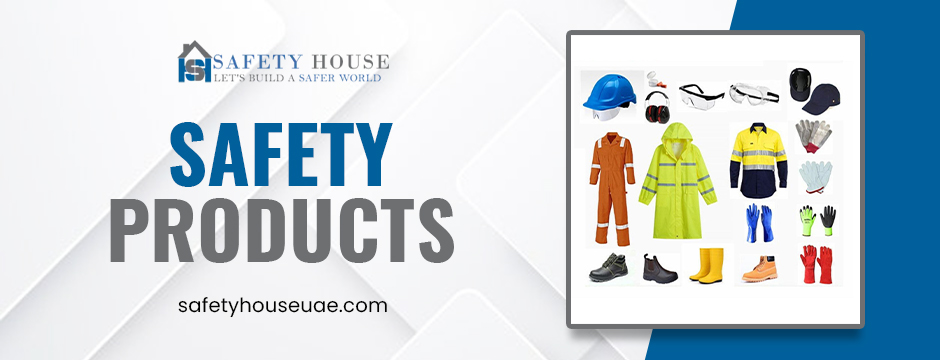
Buying safety products is not just a procurement decision—it’s a responsibility. Whether you’re equipping a construction site, industrial facility, warehouse, hospital, or even a small workshop, the right safety gear can prevent injuries, reduce liability, and save lives. Yet, many businesses and individuals unknowingly make mistakes when purchasing safety products, often focusing on cost or convenience rather than quality, compliance, and suitability.
In fast-growing markets like the UAE, where industries such as construction, oil & gas, logistics, and manufacturing operate under strict safety expectations, choosing the wrong safety products can lead to serious consequences. From failing audits and regulatory penalties to workplace accidents and reputational damage, the risks are real. In this blog, we’ll walk through the most common mistakes to avoid when buying safety products, explain why they happen, and show you how to make smarter, safer purchasing decisions.
Prioritising Price Over Quality
While budget constraints are understandable, low-cost safety products often compromise on material quality, durability, and performance.
For example, cheap helmets may crack easily, low-grade gloves may tear under pressure, and inferior masks may fail to filter hazardous particles. In the long run, replacing faulty equipment—or dealing with accidents—costs far more than investing in reliable products from the start.
What to do instead: Look at certifications, lifespan, warranty, and real-world performance.
Ignoring Certification and Compliance Standards
Not all safety equipment near me is created equal. Many buyers overlook whether products meet international or local safety standards, such as EN, ANSI, ISO, or OSHA guidelines.
Using non-compliant safety equipment can result in:
- Failed inspections
- Legal penalties
- Insurance claim rejections
- Increased accident risk
What to do instead: Always verify certifications and ensure the product complies with UAE and international safety regulations relevant to your industry.
Buying Generic Products Without Assessing Risk
Different workplaces have different hazards. A generic, one-size-fits-all approach to safety rarely works.
Common mismatches include:
- Using basic gloves where chemical-resistant gloves are required
- Using standard masks in high-dust or toxic environments
- Using indoor safety shoes for outdoor or oil-exposed surfaces
What to do instead: Conduct a proper risk assessment. Identify hazards specific to your environment and choose products designed to handle those risks.
Overlooking Comfort and Fit
Uncomfortable safety materials suppliers in Dubai often go unused or are worn incorrectly. Poorly fitted helmets, heavy protective clothing, or tight gloves can reduce productivity and compliance.
Workers may:
- Remove PPE frequently
- Modify equipment unsafely
- Ignore safety protocols altogether
What to do instead: Choose ergonomically designed safety products available in multiple sizes. Comfort improves compliance and overall workplace safety.
Failing to Consider Environmental Conditions
Environmental factors such as heat, humidity, dust, chemicals, and noise levels significantly impact how safety products perform—especially in regions like the UAE.
Common oversights include:
- Using non-breathable PPE in high-heat environments
- Selecting equipment not resistant to UV or chemicals
- Ignoring corrosion resistance in coastal areas
What to do instead: Select products specifically designed for your working conditions, including climate and exposure risks.
Not Checking Product Expiry and Shelf Life
Some safety items suppliers in UAE—like fire extinguishers, respirators, filters, and chemical protection gear—have expiration dates or limited shelf lives.
Using expired equipment can:
- Reduce effectiveness
- Fail during emergencies
- Lead to compliance violations
What to do instead: Always check manufacturing and expiry dates. Implement inventory tracking and regular inspection schedules.
Buying From Unreliable or Unverified Suppliers
Purchasing safety products from unknown or unauthorised suppliers is risky.
These products may:
- Look genuine but fail under stress
- Lacks proper certification
- Offer no after-sales support
What to do instead: Work with trusted suppliers who provide documentation, warranties, and expert guidance.
Ignoring Training and Proper Usage Guidance
Even the best safety equipment companies in Dubai are ineffective if used incorrectly. Many buyers assume PPE alone is enough, without ensuring workers understand how to use it.
Mistakes include:
- Incorrect mask fitting
- Improper helmet adjustments
- Wrong storage of safety equipment
What to do instead: Choose suppliers who offer usage guidance, training support, or clear instructions with products.
Overlooking Maintenance and Replacement Planning
Safety equipment requires regular inspection, maintenance, and replacement. Many organisations buy products once and forget about long-term upkeep.
This leads to:
- Worn-out equipment
- Reduced protection
- Sudden shortages during emergencies
What to do instead: Plan for maintenance cycles, replacements, and periodic audits of safety inventory.
Not Aligning Purchases With Industry-Specific Needs
Each industry has unique safety requirements. What works for a warehouse may not suit a construction site or healthcare facility.
What to do instead: Choose safety products tailored to your industry—construction, manufacturing, healthcare, oil & gas, logistics, or hospitality.
End Thoughts
Avoiding these common mistakes can dramatically improve workplace safety, compliance, and employee confidence. From choosing certified products and the right fit to working with a trusted supplier, every decision matters when lives are at stake.
If you’re looking for high-quality, certified, and industry-appropriate safety solutions in the UAE, Safety House General Trading LLC is a trusted destination. With a wide range of safety products, expert guidance, and a commitment to quality, we help businesses build safer, more compliant workplaces.