
Flooding can cause extensive damage to homes, commercial buildings, warehouses, parking areas, and industrial facilities. In the UAE, intense rainfall can quickly overwhelm local drainage systems and create water accumulation around low-lying properties. Recent extreme rainfall events have highlighted the importance of preparing buildings before heavy rain arrives.
A reliable Flood Barrier Supplier UAE can help property owners select and install suitable barriers that reduce the risk of water entering vulnerable areas. These systems provide a physical line of defence around entrances, garages, doors, ramps, and other exposed points.
Why Is Flood Protection Important in the UAE?
The UAE is known for its dry climate, but extreme rainfall can still create serious flooding. The rainfall events of April 2024 demonstrated how quickly large volumes of water can accumulate across roads and developed areas. More recent research also indicates that rainfall may become less frequent but more intense, potentially increasing flood risks. Urban properties can be particularly vulnerable because concrete surfaces, roads, driveways, and paved areas provide limited opportunities for rainwater to naturally disperse. Water can therefore collect around buildings and move toward entrances or lower levels.
Dubai is also investing heavily in drainage infrastructure. Its AED 30 billion Tasreef programme aims to significantly expand rainwater drainage capacity across the emirate. However, drainage infrastructure and property-level flood protection serve different purposes. A flood barrier provides an additional layer of protection directly around the property.
What Does a Flood Barrier Do?
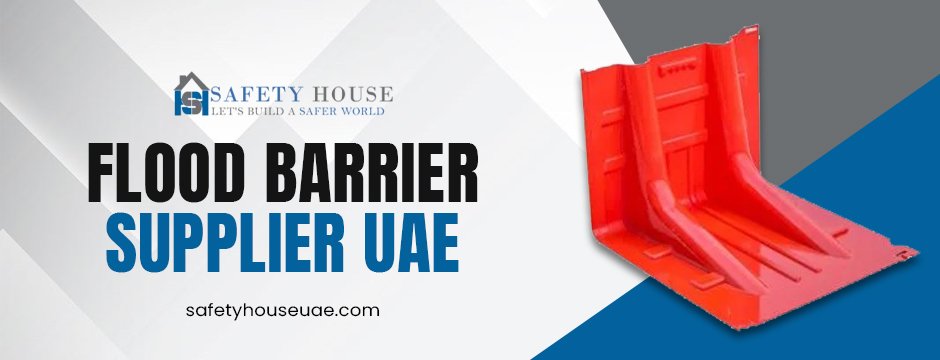
A flood barrier is designed to create a physical obstruction between rising or flowing water and a protected area. Depending on the design, barriers can be positioned across doors, entrances, garage openings, loading bays, ramps, roads, or around larger sections of a property. The basic objective is simple: stop or redirect surface water before it reaches vulnerable areas.
Modern flood protection systems can be configured for individual openings or larger perimeters. Some systems use modular components, while others are designed as temporary or rapidly deployable barriers. For UAE properties, the right solution depends on factors such as the building layout, expected water depth, opening dimensions, installation surface, and how quickly the system needs to be deployed.
How Does a Flood Barrier Supplier UAE Help?
Choosing a suitable barrier is not simply about purchasing a product. Professional suppliers can help property owners understand their flood risks and identify a system that matches the site.
Helps Identify Vulnerable Areas
A supplier can assess areas where water is most likely to enter. These may include:
- Garage entrances
- Basement ramps
- Main doors
- Loading bays
- Ground-floor entrances
- Warehouse openings
- Car parks
- Service entrances
- External stairways
- Utility areas
Identifying these points is important because protecting only one entrance may not be enough if water can enter through another low-level opening.
Recommends the Right Barrier Type
Flood barriers are available in different configurations and sizes. Some are designed for individual doors, while others can protect larger openings or create perimeter defences. For example, modular systems can be configured around buildings, campuses, infrastructure, and other large sites. A knowledgeable flood barrier supplier UAE can consider the property’s requirements before recommending a suitable configuration.
Provides Rapid Deployment Solutions
Heavy rainfall can develop quickly. This makes deployment time an important consideration. Temporary and reusable barriers can be stored and deployed when severe weather is expected. This can be particularly useful for commercial buildings, warehouses, residential communities, and facilities that cannot install permanent flood walls. Rapid deployment systems can protect without requiring major permanent modifications to the property.
Helps Protect Valuable Assets
Floodwater can damage much more than walls and floors. Water entering a commercial or industrial property can affect:
- Electrical equipment
- Machinery
- Furniture
- Inventory
- Computers
- Documents
- Vehicles
- HVAC equipment
- Building interiors
For businesses, the financial impact can also include operational downtime.
A flood barrier helps reduce the possibility of water reaching these assets. In critical facilities, flood protection can therefore support both property protection and business continuity.
Where Can Flood Barriers Be Used?
Flood barriers can serve a wide range of properties across the UAE.
Residential Properties
Villas, apartment buildings, gated communities, and homes with garages or basement areas can use barriers around vulnerable entrances. Low-lying entrances can be particularly exposed when surface water accumulates.
Commercial Buildings
Retail stores, offices, hotels, restaurants, and shopping facilities can install barriers around entrances, loading areas, and other exposed points.
Warehouses and Industrial Facilities
Industrial facilities often have large openings that can allow significant quantities of water to enter. Flood barriers can help protect inventory, machinery, electrical installations, and production areas.
Parking Areas and Basements
Basement ramps and underground parking entrances are common areas of concern in Safetrax Product Specifications. Surface water naturally moves toward lower points, making these openings particularly important to protect.

Critical Infrastructure
Flood protection can also be relevant to transport facilities, utilities, hospitals, data centres, and other critical infrastructure. Professional flood protection systems are already used across several types of critical and commercial facilities.
Flood Barriers vs. Sandbags
Sandbags have traditionally been used as a temporary flood-control measure. They can provide a basic physical barrier, but they require significant manual effort to position correctly. During heavy rainfall in the UAE, residents have used large quantities of sandbags and plastic sheets to protect properties from incoming water.
Purpose-designed flood barriers can offer a more structured alternative. Depending on the system, they can be reusable, easier to deploy, and designed specifically for particular openings or flood-protection requirements. The best choice depends on the property’s location, flood exposure, budget, required protection level, and deployment requirements.
What Should You Consider When Choosing a Flood Barrier?
Before purchasing a barrier, property owners should evaluate several factors.
- Opening size: Measure the width and height of doors, ramps, entrances, or other areas requiring protection.
- Expected water level: Consider how much water the barrier may need to withstand.
- Deployment time: Determine how quickly employees or residents must be able to install the system.
- Storage requirements: Temporary barriers need an accessible storage location so they can be deployed quickly.
- Reusability: A reusable system may be useful for properties that face recurring rainfall-related risks.
- Installation requirements: Consider whether the system requires permanent fixtures or can be installed temporarily.
- Site conditions: Ground surfaces, slopes, drainage points, and building design can affect barrier performance.
Working with an experienced supplier can make this assessment easier and help avoid choosing a system that does not match the property’s requirements.
Why Professional Flood Protection Matters
A flood barrier is one part of a broader flood-management strategy. Property owners should also maintain drainage channels, inspect waterproofing, keep drains clear, and develop procedures for responding to severe weather. Dubai and other UAE emirates are continuing to invest in major drainage projects to improve resilience against heavy rainfall. Property-level measures can complement these wider infrastructure improvements by providing protection directly at vulnerable building openings.
It is also important to understand that a flood barrier does not solve every type of water-related problem. For example, groundwater entering through foundations or sewer backflow may require different measures such as waterproofing, drainage systems, pumps, or backflow prevention.
Final Thoughts
Flooding can happen quickly, and even a relatively short period of intense rainfall can create substantial water accumulation around vulnerable properties. A professionally selected Flood Barrier Supplier UAE can provide an important physical defence by helping prevent surface water from entering buildings through doors, garages, ramps, loading bays, and other openings. Choosing the right system requires attention to the property’s design, exposure, expected water levels, and deployment requirements.
For property owners seeking suitable flood protection solutions, Safety House General Trading LLC provides flood barrier solutions designed to protect vulnerable areas from water ingress.
FAQs
- What is a flood barrier?
A flood barrier is a protective system designed to prevent or reduce water from entering vulnerable areas of a property. You can install it around doors, garages, ramps, loading bays, and other openings.
- Why are flood barriers important in the UAE?
Although the UAE has a predominantly dry climate, intense rainfall can cause sudden water accumulation and flooding. Flood barriers provide an additional layer of protection for properties located in vulnerable areas.
- Where can flood barriers be installed?
Flood barriers can be used at residential entrances, commercial buildings, warehouses, industrial facilities, basement ramps, parking areas, loading docks, and other locations where water may enter.
- How do I choose the right flood barrier?
The appropriate barrier depends on factors such as the size of the opening, expected water depth, installation surface, deployment time, and property layout. A professional supplier can help identify the most suitable option.
- Can flood barriers be reused?
Many modern flood barrier systems are designed for repeated use. Reusable barriers can be stored and deployed when severe rainfall or flooding is expected, making them suitable for properties that require ongoing flood protection.