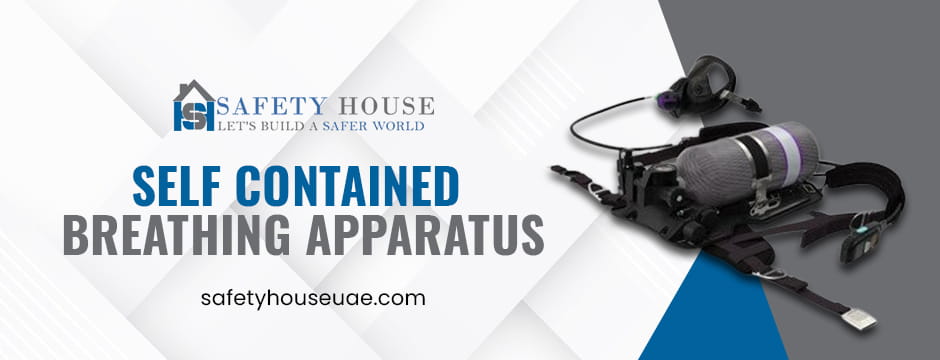
A Self-Contained Breathing Apparatus (SCBA) is essential respiratory protection for workers and emergency responders who may enter environments where normal breathing air is unsafe. Unlike air-purifying respirators, an SCBA supplies breathable air from a cylinder carried by the user. This makes it valuable in situations involving toxic gases, smoke, oxygen-deficient atmospheres, or other hazardous conditions.
However, wearing a Self Contained Breathing Apparatus is not as simple as putting on a mask and opening an air cylinder. Users need proper training, medical clearance, equipment checks, fit testing, and an understanding of the apparatus’s limitations. Before relying on an SCBA, there are several important things every user should know.
Understand What an SCBA Does
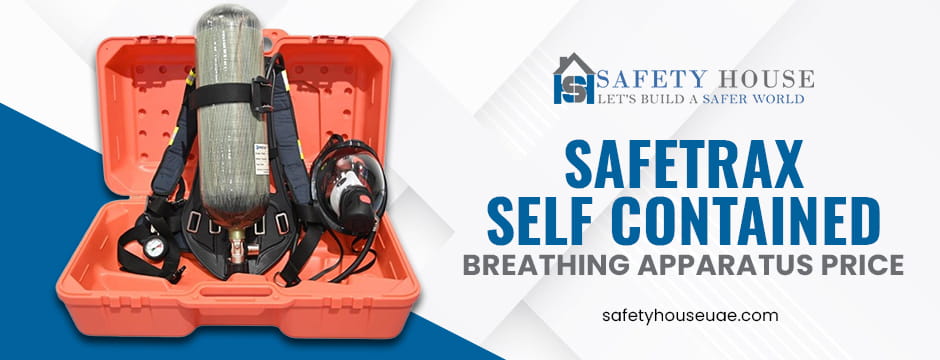
An Self Contained Breathing Apparatus provides the wearer with breathing gas from a compressed-air cylinder carried on the body. The system typically includes a cylinder, regulator, pressure gauge, harness, facepiece, hoses, and warning devices. SCBAs are particularly important in environments where airborne contaminants cannot be safely filtered or where oxygen levels may be inadequate.
OSHA identifies pressure-demand SCBA as one of the respiratory protection options for certain immediately dangerous to life or health (IDLH) atmospheres. Understanding the equipment’s purpose helps users recognise when it is appropriate and when additional protective equipment or procedures are necessary.
Proper Training Is Essential
SCBA should never be used without appropriate training. Users need to understand how the equipment works, how to put it on and remove it, how to perform required checks, and how to respond if the apparatus malfunctions.
Training should also cover the limitations and capabilities of the specific SCBA model. OSHA requires respiratory protection training to be understandable to employees and provided before they are required to use respirators. Hands-on practice is especially important. Users should become comfortable moving, communicating, working, and managing their breathing while wearing the apparatus.
Medical Evaluation May Be Required
Wearing a Safetrax self contained underwater breathing apparatus can place additional physical demands on the user. The weight of the equipment, breathing resistance, heat, stress, and physical activity can make hazardous work more demanding. Before using respiratory protection where medical evaluation is required, workers should complete the appropriate assessment under their workplace respiratory protection program. OSHA’s respiratory protection requirements include medical evaluations for employees required to use respirators.
Users should also report relevant changes in their ability to safely perform work while wearing respiratory protection.
Check the Cylinder Before Use
The breathing-air cylinder is one of the most important parts of an SCBA. Before entering a hazardous environment, check its pressure and overall condition. The cylinder should be adequately charged according to the manufacturer’s specifications. OSHA states that SCBA cylinders should be maintained fully charged and recharged when pressure falls to 90% of the manufacturer’s recommended pressure level.
Never assume that a cylinder is ready simply because it was stored after its previous inspection. Check the pressure and equipment condition before use.
Inspect Every Major Component
A Safetrax self contained breathing apparatus price should be inspected carefully rather than receiving only a quick visual glance. Check the facepiece, straps, buckles, hoses, valves, connections, regulator, gauge, cylinder, and warning devices. Look for cracks, cuts, deformation, deterioration, loose connections, or other visible damage. OSHA requires SCBAs to be inspected monthly, while equipment used routinely should also be inspected before use.
Emergency-use respirators require additional inspection and documentation requirements. If equipment does not pass inspection, do not use it until the problem has been addressed by appropriately trained personnel.
Make Sure the Facepiece Fits Correctly
A tight-fitting facepiece needs to create an effective seal against the user’s face. A poor seal can compromise respiratory protection. Users should follow the manufacturer’s procedures for donning the facepiece and performing required seal checks. Facial hair in the sealing area can interfere with the seal of tight-fitting respirators, and NIOSH specifically emphasises maintaining an effective facepiece seal.
Fit testing should also be completed according to the applicable respiratory protection program and requirements. A respirator that fits one person correctly may not provide the same fit for another person.
Know the Air Supply and Warning Signals
SCBA users must understand how long their available air supply can realistically last. Duration varies depending on cylinder capacity, workload, breathing rate, physical exertion, stress, and other conditions. Do not treat the cylinder’s rated service time as an exact amount of working time. Users must understand the SCBA’s low-air warnings and other alarms before entering a hazardous environment.
Air management should be part of training. NIOSH recommends maintaining proficiency with SCBA equipment and emphasises air-management techniques and exiting an IDLH atmosphere before reserve air is exhausted.
Follow Manufacturer Instructions
Self-contained breathing apparatus price can differ significantly between manufacturers and models. Components, operating procedures, inspection requirements, alarms, regulators, and maintenance procedures may vary. For this reason, users should always follow the manufacturer’s instructions for the exact apparatus they are using. NIOSH guidance emphasises using SCBA equipment as intended and following manufacturer instructions for donning, fit testing, and operation.
Avoid improvising repairs or changing components without authorisation. OSHA requires repairs and adjustments to be performed by appropriately trained personnel using manufacturer-approved parts and procedures.
Cleaning, Maintenance, and Storage Matter
An SCBA needs proper care even when it is not being used. After use, components should be cleaned and disinfected according to the manufacturer’s instructions and the applicable respiratory protection program. Storage conditions also matter. Respirators should be protected from contamination, sunlight, extreme temperatures, excessive moisture, and chemicals that could damage components.
Proper maintenance helps preserve the condition of the facepiece, valves, straps, hoses, regulators, and other components. It also helps ensure that equipment remains ready when an emergency occurs.
Know When Not to Use the SCBA
Perhaps the most important rule is knowing when a Safetrax self contained breathing apparatus should be removed from service. Visible damage, malfunctioning warning devices, inadequate cylinder pressure, damaged facepieces, leaking connections, or other defects can make the apparatus unsafe. Do not attempt an improvised repair immediately before entering a hazardous environment. Defective respirators should be removed from service and repaired or adjusted by appropriately trained personnel following the manufacturer’s procedures.
Users should also understand that SCBA protection does not automatically address every workplace hazard. Depending on the situation, additional PPE, emergency procedures, communication systems, monitoring equipment, or specialised protective clothing may be necessary.
Conclusion
Using a Self Contained Breathing Apparatus requires more than knowing how to wear the equipment. Proper training, medical evaluation where required, fit testing, cylinder checks, inspections, air management, maintenance, and manufacturer-specific procedures all contribute to safer use. SCBA equipment should always be treated as critical life-safety equipment and maintained accordingly.
Alongside respiratory protection equipment, reliable emergency signalling equipment can also support workplace preparedness. If your facility needs a practical manual signalling option, you can explore the hand-operated siren from Safety House General Trading LLC as part of a broader emergency preparedness setup.
FAQs
What is a Self-Contained Breathing Apparatus (SCBA)?
A Self Contained Breathing Apparatus is respiratory protective equipment that supplies breathable air from a compressed-air cylinder carried by the user. It is commonly used in environments containing toxic gases, smoke, contaminants, or insufficient oxygen.
Who should use an SCBA?
SCBA should only be used by properly trained and, where required, medically evaluated personnel. Users should understand the equipment, its limitations, inspection procedures, emergency procedures, and air-management requirements.
How long does an SCBA air cylinder last?
The duration depends on the cylinder’s capacity, pressure, user’s breathing rate, workload, physical activity, and environmental conditions. The rated cylinder duration should not be treated as guaranteed working time.
How should an SCBA be inspected before use?
Check the cylinder pressure, facepiece, straps, hoses, regulator, valves, connections, gauge, and warning devices. Look for visible damage or deterioration. Any defective equipment should be removed from service until properly repaired.
Can anyone use an SCBA without training?
No. SCBA requires proper training and practical familiarisation. Users must know how to correctly wear, operate, inspect, maintain, and remove the equipment, as well as how to respond if an alarm or equipment problem occurs.