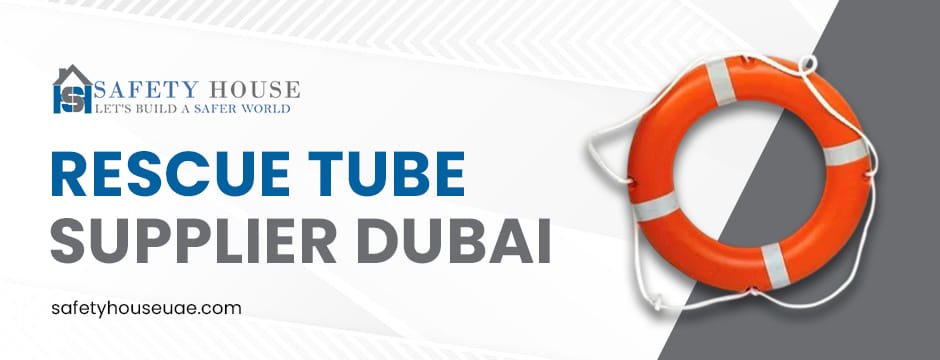
Choosing rescue equipment for marine operations requires more than comparing prices. A rescue tube must be dependable, visible, buoyant, durable, and suitable for the environment where it will be used. When comparing products from a rescue tube supplier Dubai that businesses can trust, buyers should examine specifications, materials, certifications, usability, storage, maintenance, and supplier support.
This guide explains the main factors to review before purchasing rescue tubes. A careful comparison also helps buyers identify products that match their operating conditions, training practices, regulatory obligations, and long-term maintenance needs without relying on price alone or supplier claims when evaluating marine safety equipment.
Understand the Intended Application
Start by identifying where and how the lifeguard rescue tube will be used. A product designed for swimming pools may have different requirements from equipment intended for beaches, boats, marinas, offshore facilities, or water-sports operations.
Consider the rescue scenario, frequency of use, storage location, and exposure to sunlight, saltwater, sand, humidity, and repeated handling. These factors establish the required size, construction, buoyancy, visibility, and accessories.
Compare Buoyancy and Performance
Buoyancy is one of the most important characteristics of rescue tripod with winch. A rescue tube should provide adequate flotation for its intended application while remaining manageable for the rescuer. Ask suppliers for clear technical specifications rather than relying on claims such as “high buoyancy” or “professional quality.” Check recommended user capacity, flotation performance, dimensions, and applicable testing information.
Marine safety equipment operates within a broader regulatory framework. The International Maritime Organisation explains that SOLAS and the International Life-Saving Appliance Code establish requirements for applicable life-saving appliances, including technical requirements for manufacturing, testing, maintenance, and record-keeping. However, not every product marketed as a “rescue tube” automatically falls under the same approval category. Buyers should confirm the exact regulatory status applicable to their operation.
Examine Materials and Construction
Material quality affects durability, comfort, weight, and service life. Compare the fabric, foam, webbing, stitching, handles, clips, and other components of the rescue tripod with winch Dubai. For marine applications, resistance to saltwater, ultraviolet exposure, moisture, abrasion, and repeated use can be especially important.
Examine whether seams appear reinforced and whether handles or straps are securely attached. A supplier that can explain how the product is constructed provides more useful information than one that offers only a photograph and price.
Check Visibility and Identification
A lifeguard rescue tube UAE must be easy to locate and recognise during an emergency. Compare colours, reflective elements, markings, and overall visibility. If your organisation requires branding, asset identification, or inventory markings, ask whether customisation is available and whether it affects performance or compliance.
Check that warning labels, operating instructions, and manufacturer information are clearly presented.
Review Certifications and Documentation
Certification deserves careful attention. Do not assume that a supplier’s statement that a product is “approved,” “SOLAS,” or “marine grade” tells you everything you need to know. Request the relevant certificate, test report, approval information, or manufacturer documentation. Check that it applies to the model being offered. Confirm the issuing authority and validity.
IMO guidance states that IMO itself does not approve individual life-saving appliances. Approval responsibilities rest with the relevant maritime Administration, while applicable appliances must satisfy SOLAS and LSA Code requirements. Documentation is therefore important when purchasing marine safety equipment.
Compare Ergonomics and Ease of Use
A technically strong confined space rescue tripod UAE is less useful if rescuers struggle to handle it. Compare weight, dimensions, handles, straps, buckles, and attachment points.
Look for features that support quick deployment and secure handling. If equipment will be used by different employees, consider whether the design is intuitive enough for routine training. Where possible, ask for a demonstration or product sample.
Evaluate Durability and Maintenance
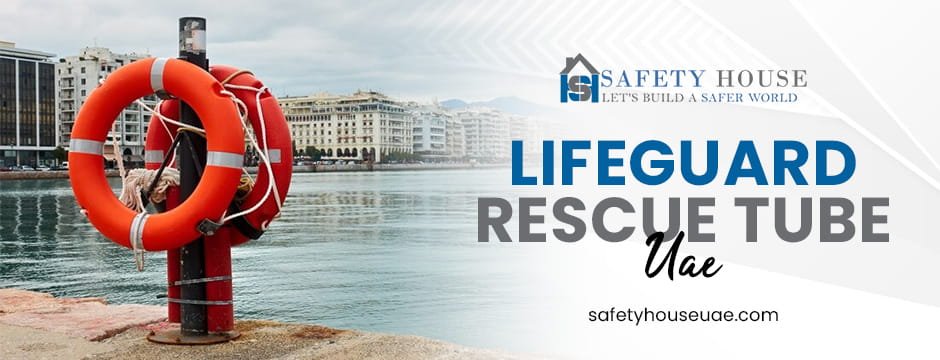
Consider how frequently the rescue tube will be used, how it will be cleaned, where it will be stored, and how easily its components can be inspected. Ask about recommended cleaning methods, drying procedures, storage conditions, inspection intervals, and expected service life. Marine environments expose equipment to salt, moisture, sunlight, and abrasion, making proper maintenance important.
For regulated vessels and operations, keep appropriate inspection and maintenance records. IMO’s SOLAS framework includes operational readiness, maintenance, and inspection provisions for applicable life-saving appliances.
Compare Supplier Reliability
Compare delivery capability, stock availability, support, documentation, warranty terms, replacement options, and after-sales service. Ask whether the supplier maintains local stock or depends entirely on overseas orders.
Also check whether the supplier can provide related marine safety equipment as required. A supplier with broader safety knowledge may make procurement and standardisation easier.
Look Beyond the Lowest Price
Price should be considered alongside quality and suitability. A lower-priced rescue tube may appear attractive initially, but the comparison changes if it has weaker materials, limited documentation, shorter service life, or poor after-sales support.
Create a comparison sheet covering specifications, certification, durability, visibility, ergonomics, warranty, delivery, and ownership considerations. Compare products against the same criteria. Do not remove essential safety characteristics simply to reduce the purchase price.
Ask the Right Questions Before Buying
Before selecting a Rescue Tube Supplier Dubai, buyers should ask several practical questions. What standards or approvals apply? Can you provide supporting documentation? What materials are used? What is the recommended application? What warranty is provided? Are replacement components available? Is technical assistance available? Ask whether the quoted product is the model shown in the documentation.
Make a Practical Comparison
The best comparison process combines technical specifications with real-world usability. Start with application requirements, then evaluate buoyancy, materials, visibility, documentation, ergonomics, maintenance, supplier support, and price.
Regulatory requirements, operating conditions, and equipment classification all matter. The IMO notes that life-saving appliances are subject to defined requirements under SOLAS and the LSA Code where applicable.
Bottom Line
Selecting the right Rescue Tube Supplier Dubai is about matching the product to the operating environment and safety requirements. Compare construction, buoyancy, visibility, documentation, handling, maintenance, warranty, availability, and supplier support before making a purchase. A structured comparison helps organisations avoid focusing only on price and makes it easier to identify equipment that fits their needs.
For businesses looking to explore marine safety equipment and related solutions, visit Safety House General Trading LLC’s Marine Safety range to learn more about available products and marine safety options.
FAQs
What should I consider when choosing a rescue tube supplier in Dubai?
Consider product quality, buoyancy, materials, visibility, certifications, durability, delivery availability, warranty, and after-sales support. The supplier should also provide clear product specifications and relevant documentation.
Are all rescue tubes suitable for marine environments?
No. Rescue tubes can differ in materials, construction, buoyancy, and intended application. Choose a product specifically suited to the conditions in which it will be used, such as pools, beaches, boats, or marine facilities.
Why is certification important when buying rescue tubes?
Certification and supporting documentation can help establish whether a product meets applicable safety or regulatory requirements. Buyers should verify that documentation applies to the exact product model being purchased.
How can I compare the quality of rescue tubes?
Compare construction materials, stitching, handles, straps, buoyancy, visibility, dimensions, maintenance requirements, durability, and manufacturer documentation. A side-by-side comparison makes differences easier to identify.
How should rescue tubes be maintained?
Follow the manufacturer’s cleaning, inspection, drying, and storage instructions. Regularly check the tube, straps, handles, seams, and other components for damage or deterioration, particularly when the equipment is exposed to saltwater and sunlight.