

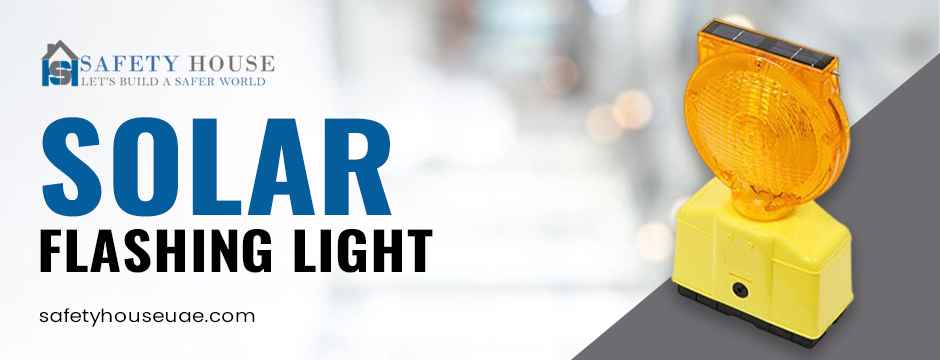
In an era where safety and sustainability are becoming equally critical, solar flashing lights have emerged as a powerful innovation bridging both needs. From construction zones and highways to marine environments and industrial facilities, these lights are revolutionising how warnings and signals are delivered. Unlike traditional lighting systems that rely on electrical grids or disposable batteries, solar-powered flashing lights harness renewable energy, ensuring continuous operation even in remote or off-grid locations.
Modern safety systems demand reliability, visibility, and energy efficiency. Solar flashing lights not only meet these expectations but also contribute to reducing operational costs and environmental impact. With advancements in LED technology, photovoltaic efficiency, and smart automation, these lighting solutions are becoming more intelligent and adaptable than ever before. They can operate in harsh weather conditions, adjust brightness automatically, and even integrate with broader smart safety networks. This blog explores the latest innovations in solar flashing light technology and how they are transforming modern safety systems across various sectors.
The Evolution of Solar Flashing Lights
Solar flashing lights have come a long way from their early, basic designs. Initially used as simple warning indicators, these devices were limited in brightness, durability, and functionality. Today, thanks to advancements in solar panel efficiency and LED performance, they deliver powerful illumination with minimal energy consumption.
Modern solar flashing lights now feature:
- High-efficiency photovoltaic panels for faster charging
- Long-lasting lithium-ion batteries
- Ultra-bright LED systems with extended lifespan
- Weatherproof and corrosion-resistant casings
These upgrades have made them suitable for critical safety applications, even in extreme environments such as deserts, offshore platforms, and mountainous terrains.
Key Innovations Driving Modern Safety Systems
Smart Sensor Integration
These sensors enable solar flashing lights to respond dynamically to environmental conditions.
- Motion detection: Activates flashing only when movement is detected
- Ambient light sensors: Automatically switch on at dusk and off at dawn
- Weather adaptation: Adjust brightness during fog, rain, or low visibility
This intelligent operation not only conserves energy but also enhances effectiveness in real-time scenarios.
Advanced LED Technology
LED technology has transformed solar flashing lights into high-performance safety tools. Modern LEDs offer:
- Higher luminosity with lower power consumption
- Multiple flashing patterns for different warning signals
- Enhanced visibility over long distances
These features are especially crucial in high-risk zones such as highways, construction sites, and airport runways, where visibility can mean the difference between safety and accidents.
Wireless Connectivity and IoT Integration
The integration of Internet of Things (IoT) technology is pushing solar flashing lights into the realm of smart infrastructure.
- Remote monitoring and control via mobile apps or dashboards
- Real-time performance tracking and fault detection
- Synchronisation with other safety systems
For example, a network of solar flashing lights can be controlled centrally to create coordinated warning signals across large areas, improving overall safety management.
Energy Storage Innovations
Efficient energy storage is critical for uninterrupted operation. Modern solar flashing lights now use advanced battery systems that:
- Store more energy for longer operation
- Provide consistent performance during cloudy or low-sunlight conditions
- Offer an extended lifecycle with minimal maintenance
These improvements ensure reliability even in regions with unpredictable weather patterns.
Modular and Portable Designs
Flexibility is another major innovation. Today’s solar flashing lights are designed to be:
- Lightweight and easy to install
- Portable for temporary setups
- Modular for scalability
This makes them ideal for emergency response situations, temporary roadworks, and disaster management scenarios where quick deployment is essential.
Applications Across Industries
Road and Traffic Safety
A Solar Flashing Light is widely used in traffic management systems. They help:
- Alert drivers about road hazards
- Mark pedestrian crossings
- Enhance visibility in accident-prone zones
Their independence from grid power makes them especially valuable in rural or underdeveloped areas.
Construction and Industrial Sites
In construction zones, safety is paramount. Solar flashing lights:
- Mark dangerous areas and equipment
- Provide nighttime visibility
- Reduce reliance on temporary wiring and generators
This not only improves safety but also reduces operational complexity.
Marine and Aviation Safety
A Solar Flashing Light supplier UAE plays a crucial role in marine and aviation environments:
- Marking buoys and navigation channels
- Highlighting airport runways and obstacles
- Ensuring visibility in remote or offshore locations
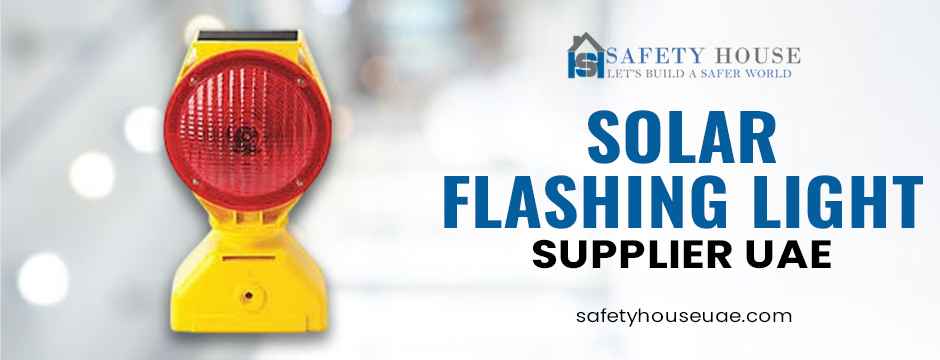
Their durability and resistance to harsh conditions make them indispensable in these sectors.
Emergency and Disaster Management
During emergencies, power outages are common. Solar flashing lights provide:
- Immediate, reliable illumination
- Portable warning systems
- Quick deployment without infrastructure dependency
They are essential tools for first responders and disaster relief teams.
Environmental and Economic Benefits
Sustainability
Solar flashing lights contribute significantly to environmental conservation by:
- Reducing carbon emissions
- Eliminating the need for disposable batteries
- Utilising renewable energy sources
This aligns with global sustainability goals and green initiatives.
Cost Efficiency
While the initial investment may be higher, the long-term savings are substantial:
- No electricity costs
- Minimal maintenance requirements
- Long lifespan of components
Organisations can achieve a strong return on investment while enhancing safety standards.
Challenges and Future Prospects
Despite their advantages, solar flashing lights face certain challenges:
- Dependence on sunlight availability
- Initial installation costs
- Need for periodic maintenance in dusty or polluted environments
However, ongoing research and innovation are addressing these issues. Future developments may include:
- AI-powered predictive maintenance
- Enhanced solar efficiency for low-light regions
- Integration with smart city infrastructure
As technology continues to evolve, solar flashing lights are expected to become even more efficient, intelligent, and widely adopted.
Wrapping Up
A Solar Flashing Light have transformed from a simple warning device into a sophisticated, energy-efficient safety solution. Their integration with smart technologies, advanced LEDs, and IoT systems has made them indispensable across industries ranging from transportation to disaster management. As sustainability becomes a global priority, these lights offer a perfect balance between environmental responsibility and operational efficiency.
For businesses and organisations looking to upgrade their safety infrastructure with cutting-edge solar lighting solutions, explore the advanced range available at Safety House General Trading LLC. Investing in modern solar flashing light technology is not just a step toward better safety—it’s a move toward a smarter, greener future.